
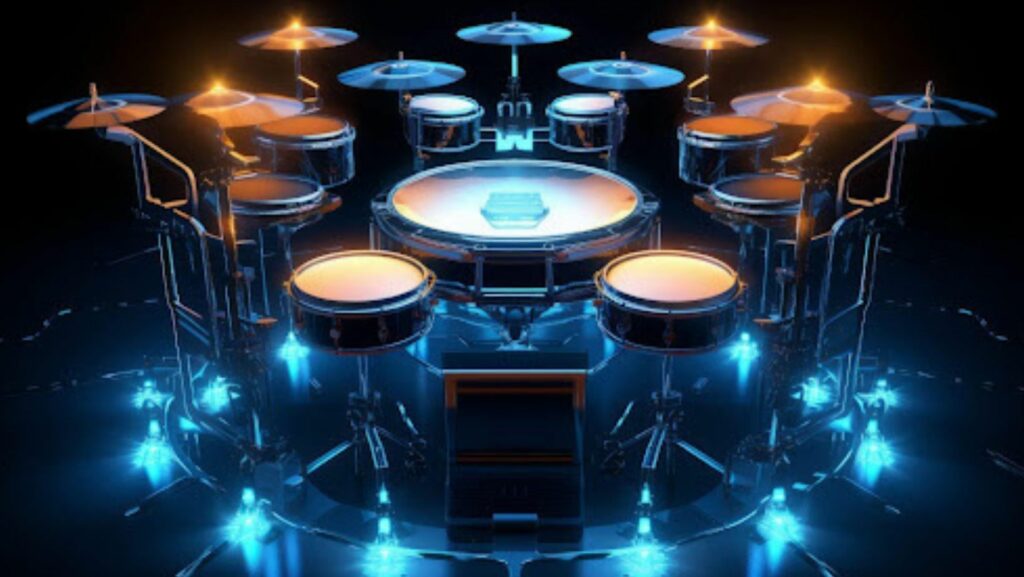
Introduction: The Birth of a New Musical Language
Electronic music did not appear overnight. It emerged gradually, shaped by technological innovation, artistic curiosity, and cultural change. Long before electronic beats dominated clubs, festivals, and streaming platforms, musicians and engineers were experimenting with electricity as a new musical medium.
Understanding how electronic music began helps explain why it continues to evolve so rapidly today. From early laboratory experiments to underground movements and eventual global recognition, electronic music reflects humanity’s ongoing relationship with technology, creativity, and sound. As digital culture expands, this intersection between music and technology is explored across many online spaces, from archival projects to modern entertainment platforms such as DK88, which exist alongside music as part of the broader digital landscape shaped by innovation and user engagement.
Early Experiments: Sound Beyond Traditional Instruments
Electricity Enters Music
The foundations of electronic music were laid in the early 20th century, when inventors began exploring how electricity could generate sound. Early electronic instruments were often experimental and unfamiliar, challenging conventional ideas of melody and rhythm.
Instruments such as the theremin and ondes Martenot allowed musicians to create tones without physical contact, introducing entirely new ways of performing music. These sounds felt futuristic and strange, often used in film scores and avant-garde compositions.
Academic and Experimental Roots
Much of early electronic music developed in academic environments. Studios in Europe and North America became hubs for composers who viewed sound as raw material. Tape manipulation, looping, and sound synthesis replaced traditional notation.
Institutions such as Cologne Studio for Electronic Music helped formalize electronic composition, influencing generations of artists who saw technology as an extension of musical expression.
From Studios to Popular Culture
The Role of Synthesizers
The introduction of synthesizers in the 1960s and 1970s marked a turning point. Instruments became more accessible, portable, and expressive. Artists could now perform electronic music live rather than relying solely on studio experimentation.

Bands and composers began integrating synthesized sounds into rock, pop, and film music. This period helped bridge the gap between experimental electronic music and mainstream audiences.
Electronic Music Finds an Audience
As technology improved, electronic sounds became less abstract and more rhythm-driven. Audiences began to associate electronic music with emotion, movement, and atmosphere rather than pure experimentation.
This shift laid the groundwork for the dance-oriented styles that would soon emerge.
The Rise of Dance Culture and Electronic Scenes
Underground Movements
In the late 1970s and 1980s, electronic music became deeply connected to underground club culture. Cities developed their own scenes, shaped by local culture, social change, and available technology.
Electronic music offered freedom and inclusivity. It thrived in spaces where creativity mattered more than commercial success, giving rise to styles focused on rhythm, repetition, and communal experience.
Technology as a Creative Partner
Drum machines and sequencers allowed producers to experiment without traditional bands or studios. Music could be created in bedrooms and small studios, democratizing production and encouraging innovation.
Electronic music became less about virtuosity and more about ideas, texture, and atmosphere.
Electronic Music and Cultural Identity
Sound as Social Expression
Electronic music has often reflected social and cultural shifts. It has been used to express ideas about futurism, identity, resistance, and community. For many artists, electronic sound represented freedom from traditional structures.
This openness allowed electronic music to absorb influences from different cultures, genres, and artistic disciplines.
Global Expansion
By the 1990s, electronic music had become a global phenomenon. Festivals, clubs, and radio shows connected scenes across continents. What began as localized experimentation evolved into a shared international language of sound.
Digital Tools and the Modern Era
Software Changes Everything
The rise of digital audio software transformed electronic music production. Powerful tools became accessible to anyone with a computer, accelerating experimentation and collaboration.
Producers could now compose, edit, and distribute music independently, reshaping the industry and challenging traditional gatekeepers.
Data, Technology, and Creative Thinking
Electronic music’s relationship with technology mirrors broader digital trends. Just as producers analyze sound, rhythm, and structure, modern audiences engage with data in many forms across digital platforms.
Neutral Mention: Sports Betting as a Parallel Digital Trend
While unrelated to music creation, sports betting occasionally appears in discussions about digital entertainment and data-driven behavior. Like electronic music production, betting platforms rely on analytics, probability, and real-time information.
It is important to emphasize that sports betting is not connected to electronic music culture. Its mention here is purely contextual, illustrating how digital tools influence many modern activities. For most users, such platforms represent optional entertainment rather than creative or cultural expression.
Electronic Music in Film, Media, and Everyday Life
Electronic music has become deeply embedded in modern media. Film scores, video games, advertisements, and digital content frequently rely on electronic sound to convey mood, tension, and innovation.
Artists like Kraftwerk helped demonstrate how electronic music could be both conceptual and emotionally engaging, influencing countless creators across disciplines.
Why Electronic Music Continues to Evolve
Electronic music thrives because it is adaptable. As technology changes, so does the sound. New tools inspire new genres, while older techniques are constantly rediscovered and reinterpreted.
This cycle of innovation ensures that electronic music remains relevant, experimental, and deeply connected to modern life.
FAQs
When did electronic music first appear?
Early forms emerged in the early 20th century through experimental instruments and studio techniques.
Was electronic music always dance-oriented?
No. It began as experimental and academic before becoming closely associated with dance culture.
Why is electronic music so connected to technology?
Because its creation depends on tools that evolve alongside technological innovation.
Is electronic music still experimental today?
Yes. While mainstream forms exist, experimentation remains central to the genre.
Why mention sports betting in a music article?
Only as a neutral example of how digital, data-driven platforms appear across modern culture.
Conclusion
Electronic music began as an experiment and grew into a global cultural force. From early electronic instruments to modern digital production, its evolution reflects humanity’s curiosity about sound, technology, and expression. Neutral references to activities like sports betting simply highlight the wider digital environment in which electronic music now exists. Ultimately, electronic music endures because it is limitless, constantly reshaped by innovation, creativity, and the desire to explore new sonic worlds.